The Future of Artificial Intelligence
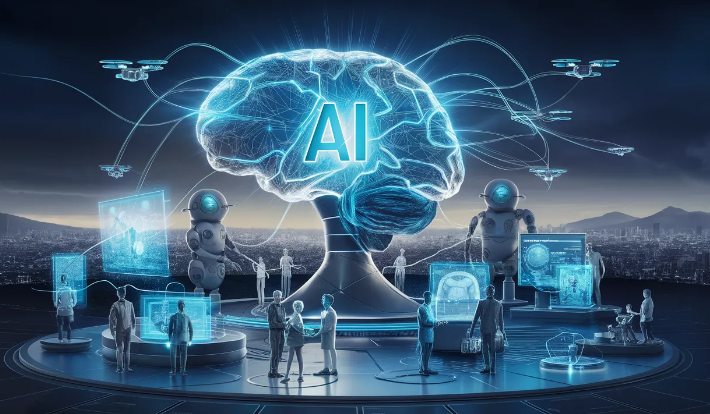
Artificial intelligence is poised to reshape various sectors by enhancing productivity and fostering innovation. However, this transformation brings forth significant ethical dilemmas and workforce implications. The integration of AI necessitates careful consideration of its societal impacts. As stakeholders grapple with these challenges, the path forward remains uncertain. What measures will be essential to ensure that AI serves the greater good, while also addressing the complexities it introduces?
The Transformative Potential of AI Across Industries
As industries continue to evolve, the transformative potential of artificial intelligence (AI) emerges as a pivotal force reshaping operational processes and decision-making frameworks.
AI innovations drive significant industry disruptions, automating tasks and enhancing efficiency.
Ethical Considerations and Challenges Ahead
While the rapid advancement of artificial intelligence (AI) presents unprecedented opportunities, it simultaneously raises critical ethical considerations and challenges that demand careful scrutiny.
Key issues include bias mitigation, where algorithms may perpetuate existing inequalities, and the necessity for transparency standards to ensure accountability.
Addressing these challenges is essential for fostering trust and safeguarding the rights of individuals in an increasingly automated society.
The Impact of AI on Employment and Workforce Dynamics
How will artificial intelligence reshape the landscape of employment and workforce dynamics?
The integration of AI technologies is likely to precipitate significant job displacement across various sectors, necessitating a profound skill evolution among the workforce.
Consequently, individuals must adapt to new roles and acquire advanced competencies, ultimately redefining job functions and the nature of work itself in an increasingly automated environment.
See also: zisscourseturf
Ensuring Responsible AI Development and Implementation
A growing consensus among experts underscores the necessity of ensuring responsible AI development and implementation to mitigate potential ethical dilemmas and societal risks.
Central to this endeavor are fair algorithms and transparent processes, which promote accountability and public trust.
Conclusion
As the dawn of artificial intelligence approaches, its transformative potential casts a long shadow over traditional paradigms, heralding both remarkable opportunities and intricate ethical dilemmas. Navigating this uncharted terrain requires a delicate balance, akin to a tightrope walker suspended between innovation and responsibility. The future hinges on a collective commitment to cultivating AI systems that not only enhance efficiency but also honor the principles of fairness and societal well-being, ultimately crafting a tapestry of progress that benefits all.