The Future of Digital Classrooms

The future of digital classrooms is poised for significant evolution, fueled by advancements in artificial intelligence and virtual reality. These technologies promise to transform learning into an interactive experience, captivating students in unprecedented ways. Yet, this shift brings forth critical challenges, including disparities in access and educators’ varying digital skills. Understanding how to navigate these complexities may determine whether the potential of digital education can be fully harnessed. What steps must be taken to ensure an equitable transformation?
Emerging Technologies in Education
As educational institutions increasingly embrace digital transformation, emerging technologies are reshaping the landscape of learning.
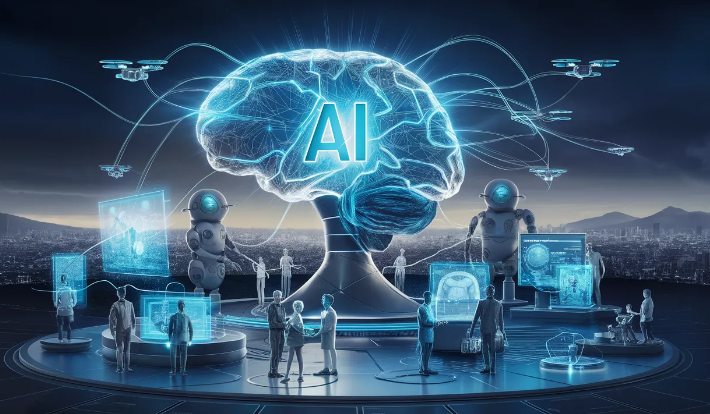
Artificial intelligence personalizes educational experiences, adapting to individual student needs, while virtual reality immerses learners in interactive environments.
These innovations not only enhance comprehension but also foster a sense of autonomy, empowering students to explore complex concepts freely.
Together, they redefine traditional education, paving the way for a more engaging future.
Enhancing Student Engagement Through Interactivity
While traditional teaching methods often rely on passive learning, the integration of interactive technologies significantly enhances student engagement.
Gamified learning transforms educational experiences into dynamic adventures, fostering motivation and collaboration.
Furthermore, interactive assessments provide immediate feedback, allowing students to take charge of their learning journey.
This shift not only empowers learners but also cultivates a vibrant, participatory classroom environment where curiosity thrives.
Challenges in Implementing Digital Classrooms
Implementing digital classrooms presents a range of challenges that can hinder their effectiveness, despite the promising advancements in student engagement through interactivity.
Accessibility barriers often exclude underprivileged students, creating disparities in learning opportunities.
Additionally, seamless technology integration proves difficult, as educators and institutions grapple with varying levels of digital literacy and resource availability, ultimately impacting the potential success of these innovative educational environments.
See also: The Future of Artificial Intelligence
The Role of Educators in a Digital Landscape
Although technology serves as a powerful tool in digital classrooms, the role of educators remains pivotal in shaping effective learning experiences.
Through comprehensive teacher training, educators can harness digital resources to foster engagement and promote digital equity.
Conclusion
As the digital classroom continues to evolve, it is clear that the integration of cutting-edge technologies can create a vibrant educational landscape. However, educators must navigate the rocky road of challenges, ensuring that every student is included in this new learning paradigm. By harnessing technology while addressing disparities, they can turn the tide and foster a generation of engaged, autonomous learners. In this brave new world of education, the future truly holds limitless possibilities.