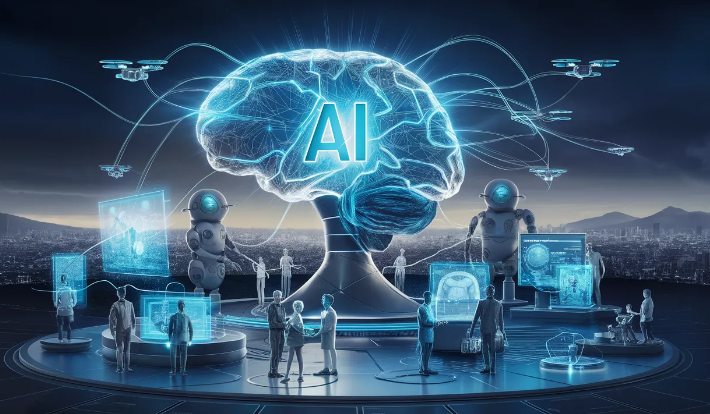
The Future of Software Development

The landscape of software development is evolving rapidly. Advancements in artificial intelligence are reshaping coding practices, allowing developers to concentrate on higher-level tasks. Meanwhile, cloud computing enhances collaboration, facilitating seamless workflows. Additionally, methodologies like Agile and DevOps are becoming standard, driving efficiency. As low-code and no-code platforms emerge, the role of non-developers is expanding. This shift raises critical questions about the future roles in software teams and the implications for traditional development practices.
The Rise of Artificial Intelligence in Coding
The increasing integration of artificial intelligence (AI) in coding is reshaping the landscape of software development.
AI-assisted coding tools streamline the development process, enabling programmers to focus on creativity and innovation.
Additionally, automated testing enhances software reliability and reduces time spent on repetitive tasks.
This evolution fosters a collaborative environment where developers can harness AI to achieve greater freedom and efficiency in their projects.
Enhanced Collaboration Through Cloud Computing
AI’s role in streamlining coding processes paves the way for more collaborative approaches in software development, particularly through the utilization of cloud computing.
Cloud tools enable remote teams to connect seamlessly within virtual workspaces, enhancing communication and efficiency. This integration fosters agile project management, allowing developers to share insights and resources freely, ultimately driving innovation and improving software quality across diverse teams.
The Shift Towards Agile and DevOps Methodologies
As organizations increasingly recognize the need for rapid adaptation in a fast-paced digital landscape, a shift towards Agile and DevOps methodologies has become essential.
This Agile transformation fosters iterative processes, enhancing responsiveness to change.
Meanwhile, DevOps integration streamlines collaboration between development and operations, ensuring continuous delivery.
Together, these approaches empower teams to innovate freely while maintaining quality, driving sustainable growth in software development.
See also: The Future of Digital Classrooms
The Impact of Low-Code and No-Code Platforms
While organizations strive to enhance their development capabilities, the rise of low-code and no-code platforms has emerged as a transformative force in software development.
These platforms foster user empowerment, enabling non-developers to participate actively in the creation process.
Conclusion
As the landscape of software development transforms at lightning speed, fueled by AI, cloud collaboration, and innovative methodologies, the once-distant dream of seamless, inclusive programming is now within grasp. Imagine a future where coding is as effortless as breathing, where creativity reigns supreme, and every visionary can contribute to digital masterpieces. This revolution not only promises to redefine efficiency but also dares to unleash an unprecedented wave of innovation, forever altering the trajectory of technology as we know it.